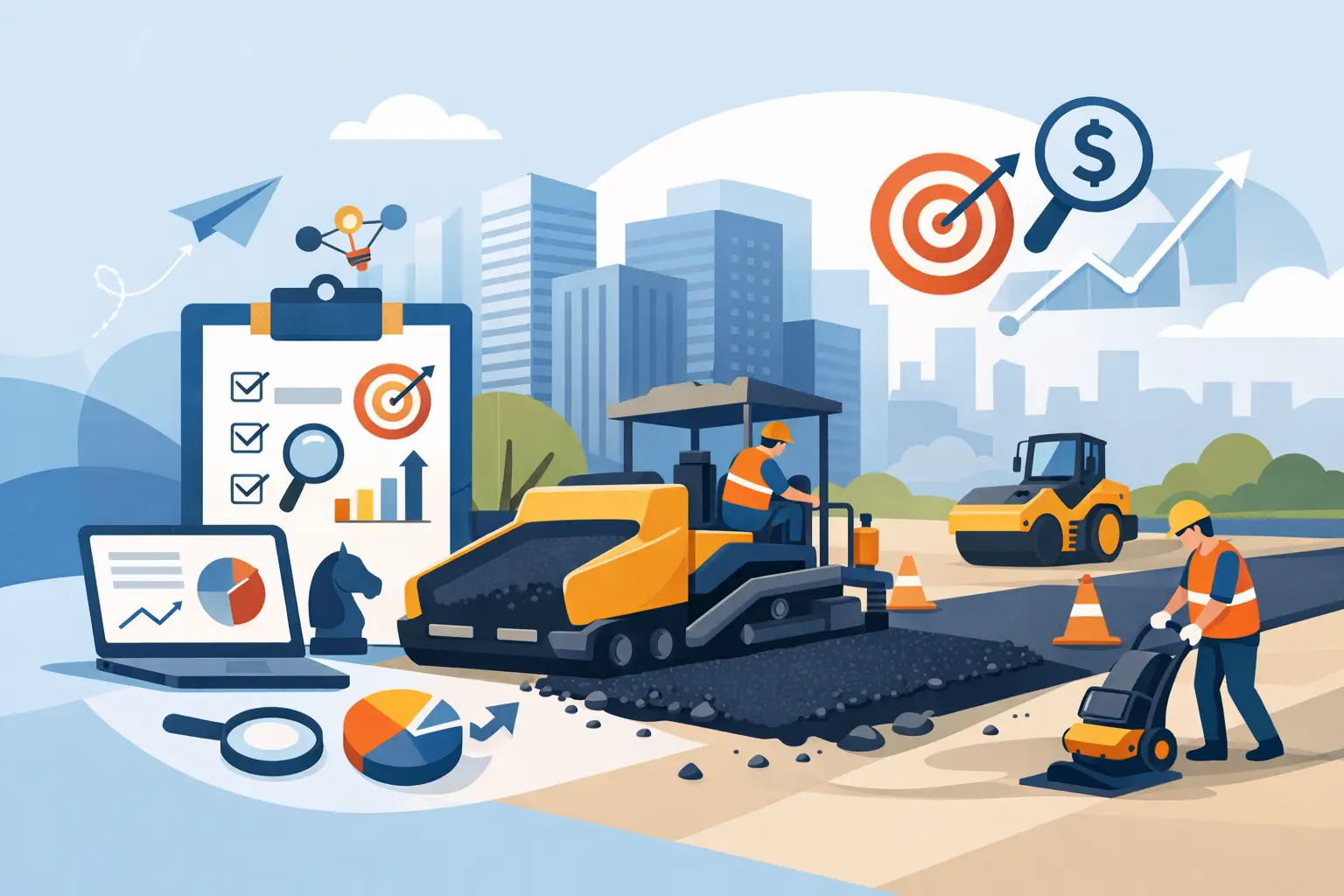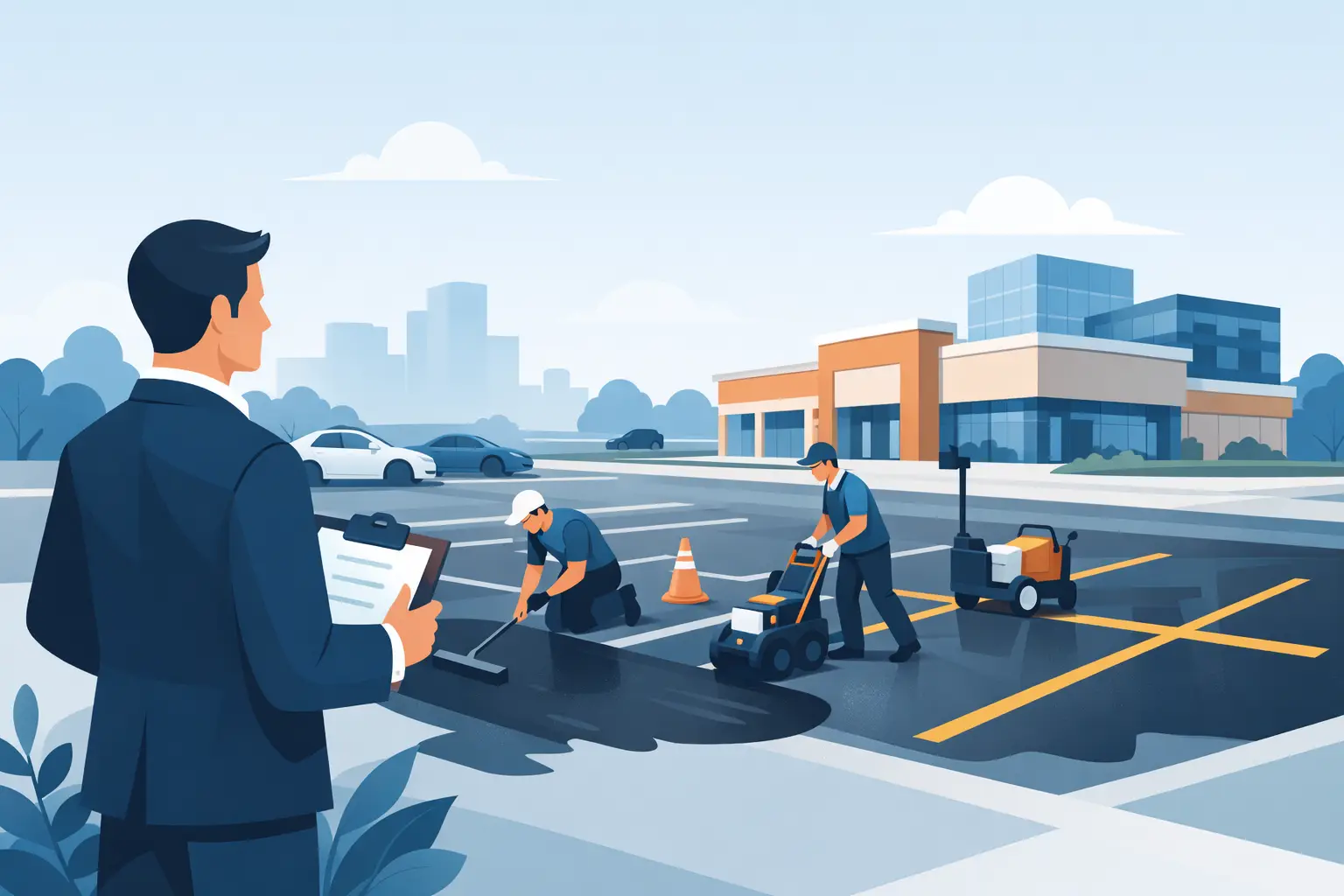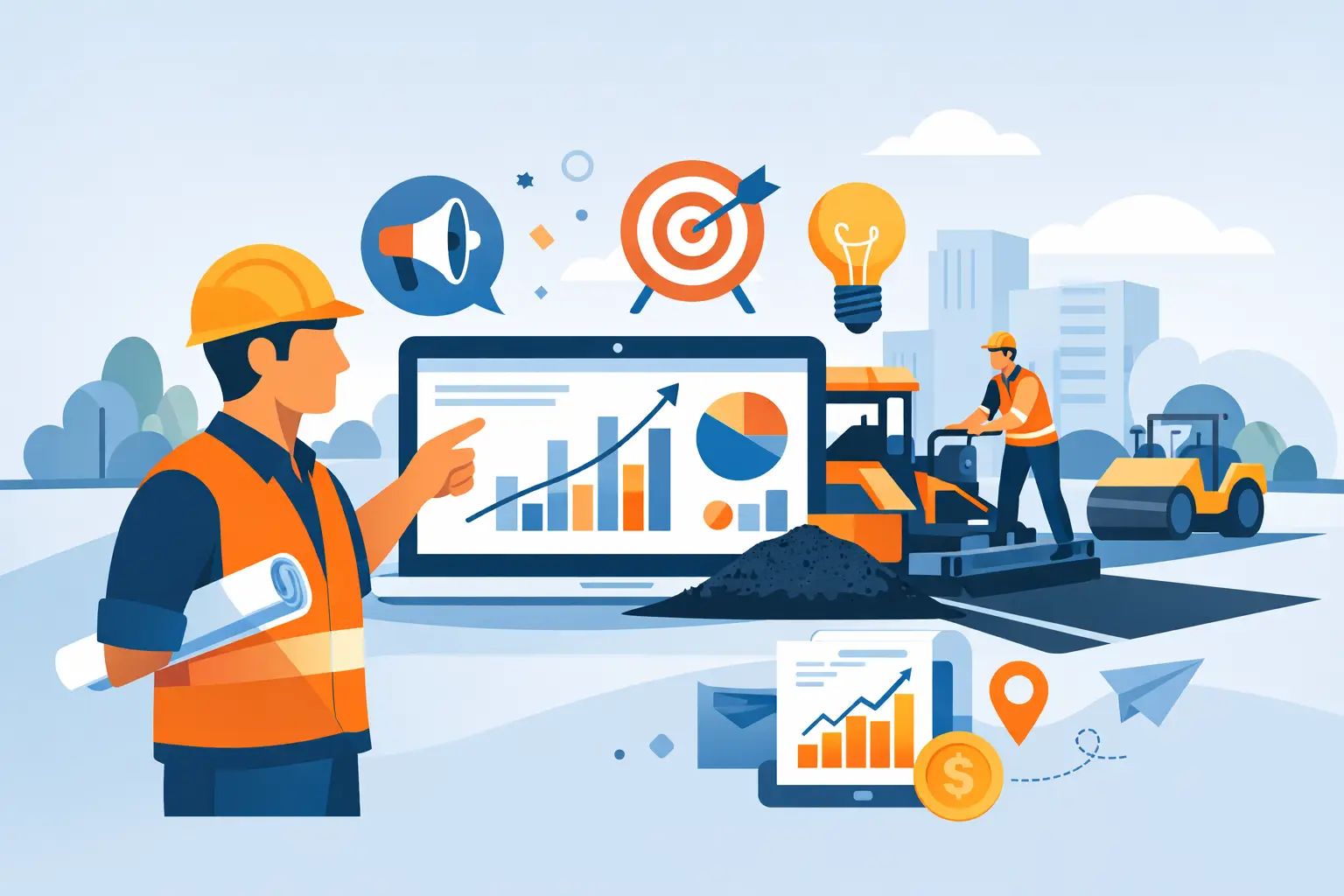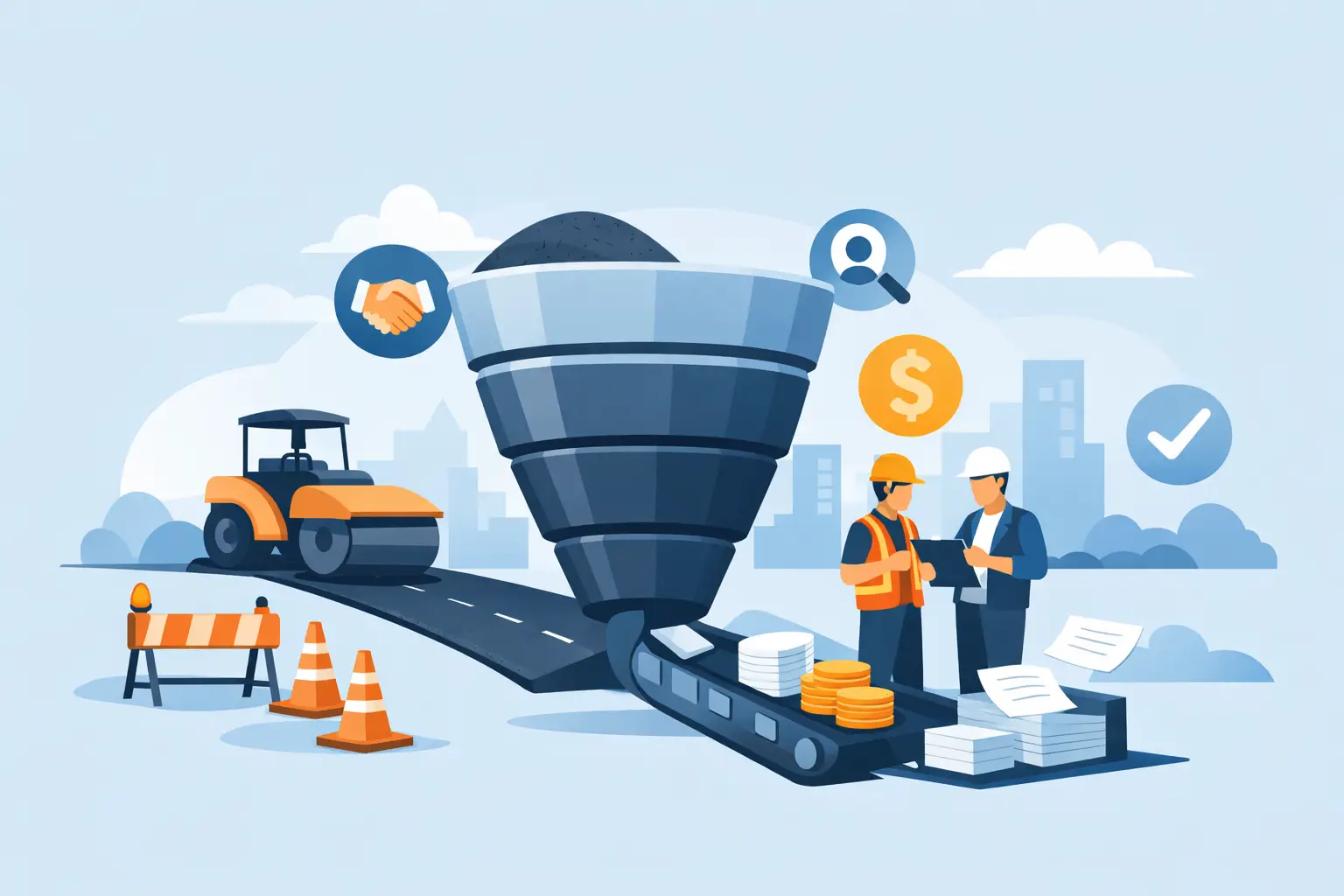
If your crews are ready, your equipment is sitting, and your pipeline still depends on who happens to call this week, you do not have a sales process. You have hope. A paving contractor sales system fixes that by turning demand generation, lead qualification, follow-up, and booking into one machine built to produce commercial jobs on purpose.
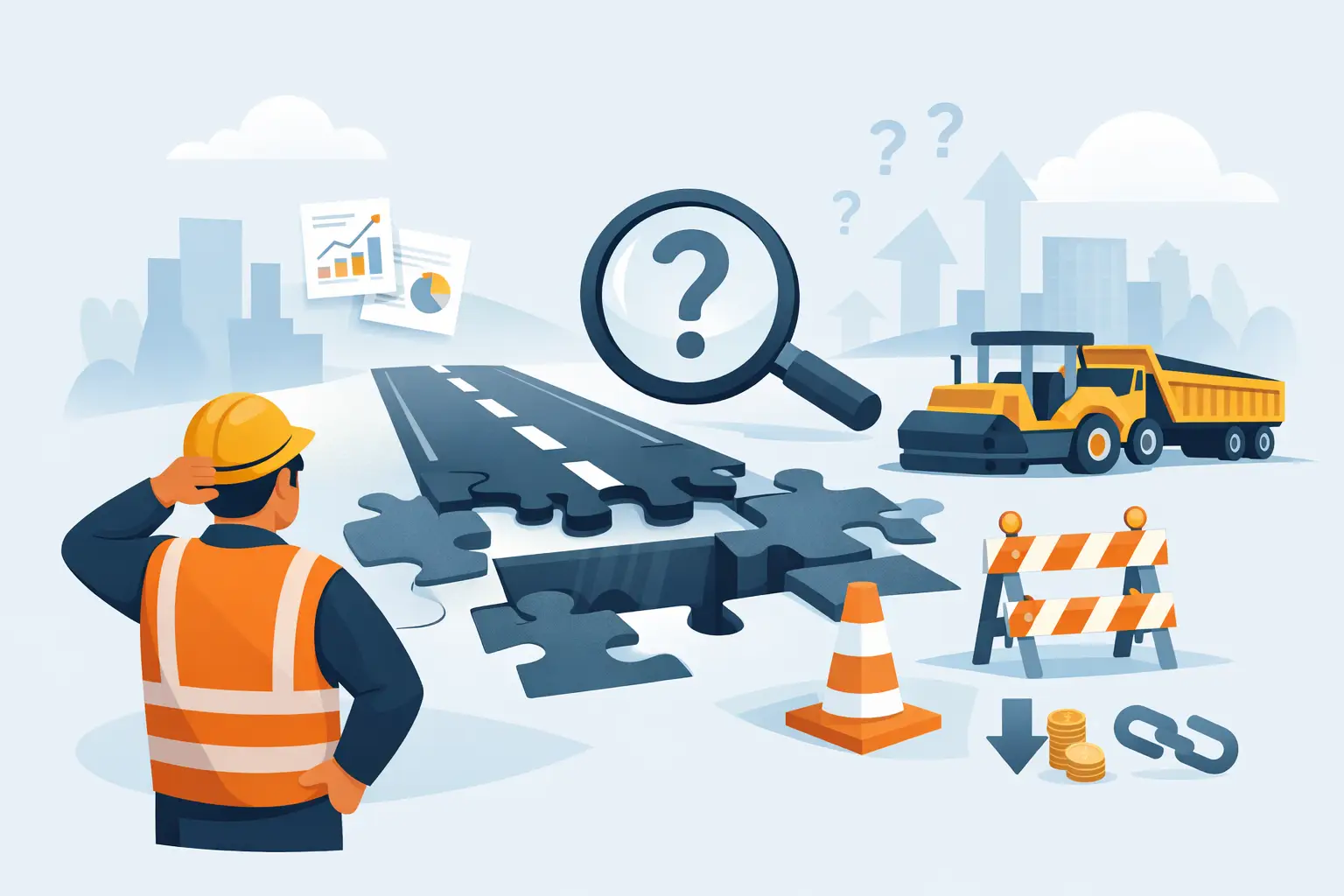
That matters because most paving companies are not losing revenue because they cannot do the work. They are losing it because the front end of the business is loose. Referrals come in waves. Estimators get buried. Follow-up happens when someone remembers. Good leads go cold. Then the team looks up and realizes the schedule is thin, margins are getting squeezed, and every job feels harder to win than it should.
What a paving contractor sales system actually is
A real paving contractor sales system is not just ads, a website, or a CRM login nobody uses. It is the full chain from first touch to signed job. That means targeting the right buyers, capturing the lead, screening out bad fits, responding fast, staying in front of decision-makers, and making it easy for qualified prospects to book the next step.
For commercial paving contractors, this matters even more than it does in residential. Property managers, facility teams, HOAs, and general contractors do not usually make decisions in one call. They compare vendors, forward proposals internally, delay approvals, and revisit projects when budgets open up. If your sales process depends on one estimate and a voicemail, you are leaving money on the table.
The best system handles speed and persistence without creating more admin work. It gives you control over the pipeline instead of forcing you to chase every inquiry manually.
Why most paving sales pipelines break
The problem is usually not effort. It is structure. A lot of contractors work hard and still get inconsistent results because the process is stitched together with texts, missed calls, email chains, and memory.
One leak happens at the lead source. If the incoming opportunities are random, you end up quoting anything with asphalt in the description. That fills the board with low-quality jobs, bad-fit prospects, and tire-kickers shopping for the cheapest number.
Another leak happens in qualification. Not every lead deserves the same amount of time. A municipal-grade parking lot replacement with a real decision-maker is not the same as a tiny repair request from someone who just wants three bids to satisfy policy. Without a filter, your team burns time where it should not.
Then there is follow-up, which is where a surprising amount of revenue dies. Commercial buyers are busy. They miss calls. They forget emails. Projects stall for weeks. If your company does not have consistent follow-up built into the sales process, the prospect does not always choose another contractor. Sometimes they choose nobody because nobody stayed in front of them long enough to move the deal.
The core parts of a system that works
A paving contractor sales system has to start with targeted lead generation. That sounds obvious, but plenty of marketing aimed at contractors still chases volume instead of fit. More leads are not better if they are all wrong. Better leads are better. You want demand from buyers who control larger projects, have budget, and can actually move work forward.
That is why audience targeting matters so much. If you provide asphalt paving, sealcoating, striping, concrete, or ADA work for commercial properties, your message should speak directly to the people who buy those services. Property managers care about liability, appearance, tenant disruption, and budget timing. HOAs care about resident complaints and project coordination. Facility decision-makers care about uptime, compliance, and vendor reliability. Your sales system has to speak their language before they ever fill out a form.
Next comes lead capture and response. Speed matters, but speed alone is not enough. A fast reply with no process behind it just creates more back-and-forth. The goal is to collect the right details, confirm service fit, and move the lead into a clear next action. That might be a site visit, a phone qualification, or direct calendar booking depending on the project type.
Then comes automation, which is where most contractors either win leverage or stay stuck. Automation is not about replacing the human sales conversation. It is about making sure no qualified lead gets ignored while your team is out running jobs, managing crews, or handling operations. Automated texts, emails, reminders, and task triggers keep deals moving without relying on perfect memory.
Why automation is not optional anymore
If you are still trying to run sales from your phone, your inbox, and a legal pad, you are building a ceiling into the business. That model breaks as soon as lead volume increases or field demands get heavy.
Automation solves the most common contractor problem: inconsistency. Not because it makes your company fancy, but because it keeps the basics from slipping. Immediate response. Multi-touch follow-up. Appointment reminders. Re-engagement for old estimates. Centralized lead status. It works. Period.
There is a trade-off, though. Bad automation feels robotic and can hurt trust. If every message sounds generic or hits at the wrong time, prospects tune out. The fix is not to avoid automation. The fix is to build it around real sales behavior and contractor-specific timing. A commercial paving buyer needs communication that is relevant, direct, and tied to the job, not fluffy marketing language.
The best systems qualify before your estimator gets dragged in
Estimating is expensive. Every hour your estimator spends chasing weak opportunities is an hour not spent on real revenue. A strong system protects that time.
Qualification should answer the basics early. Is this commercial or residential? What service is needed? What is the property type? Is there a timeline? Who is the decision-maker? Is there actual budget or just price shopping? Those answers do not need to turn into a long interrogation, but they do need to be captured before your team starts investing serious time.
This is where a lot of paving contractors finally feel relief when the process gets dialed in. Instead of treating every inquiry like an emergency, the company starts sorting and prioritizing leads based on actual business value. That changes everything. Crews stay busier with better jobs. Sales conversations improve because reps are speaking to qualified buyers. Margins improve because the team is not forced into desperate pricing to keep the schedule full.
A paving contractor sales system should create predictability
Predictability is the whole point. Not vanity metrics. Not traffic screenshots. Not a stack of unworked leads sitting in a spreadsheet.
You want to know how opportunities are entering the pipeline, how many are qualified, how many are booking appointments, how many estimates are going out, and how many jobs are closing. Once those numbers are visible, you can actually manage the business instead of guessing.
That visibility also exposes weak spots fast. If leads are coming in but not booking, the issue might be response handling. If appointments are happening but estimates are not closing, the issue might be positioning, follow-up, or pricing strategy. If close rates are decent but lead flow is unstable, the demand generation side needs work. A system gives you data tied to revenue, not noise.
Why specialization beats generic marketing every time
This is where many agencies miss the mark. They know marketing terms, but they do not understand paving sales. They do not understand seasonality, weather windows, crew utilization, project minimums, or the difference between wanting more leads and wanting the right commercial jobs.
A generic lead gen campaign can flood you with junk. A specialized system is built around job fit, sales cycle reality, and operational capacity. That is a major difference. If your team is already stretched, the wrong leads make growth harder, not easier.
That is why companies like PaveLeads focus on the full machine instead of isolated tactics. Ads without qualification are incomplete. Leads without follow-up are wasted. A CRM without process is shelfware. The system has to work from click to close.
What to look for before you build or buy one
If you are evaluating a paving contractor sales system, ask a simple question: does this reduce chaos and increase booked commercial jobs, or does it just give me more software to manage?
The right setup should make it easier to respond fast, qualify hard, automate follow-up, book appointments, and track performance. It should fit how contractors actually operate in the field. It should also match your sales reality. A company chasing large commercial resurfacing projects may need a different cadence than one focused on sealcoating and striping programs. It depends on deal size, cycle length, and who the buyer is.
But the standard does not change. The system should create control. If it adds complexity without improving close rates or schedule consistency, it is not the answer.
The contractors who grow are rarely the ones with the nicest logo or the loudest pitch. They are the ones who build a repeatable way to generate demand, qualify opportunities, and stay on prospects until work gets booked. If your sales still run on memory and luck, fix that first. The market does not reward busy. It rewards organized follow-through.