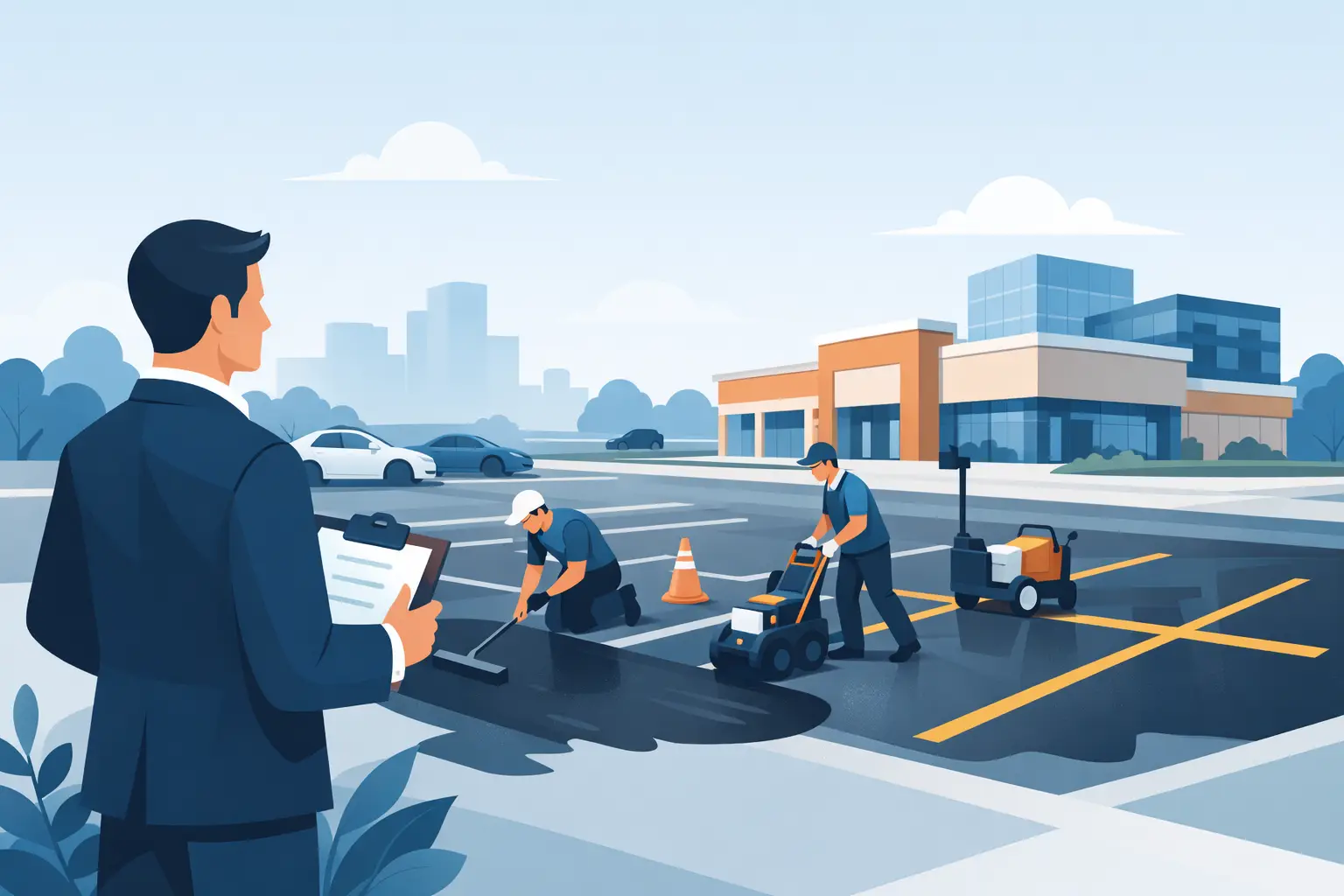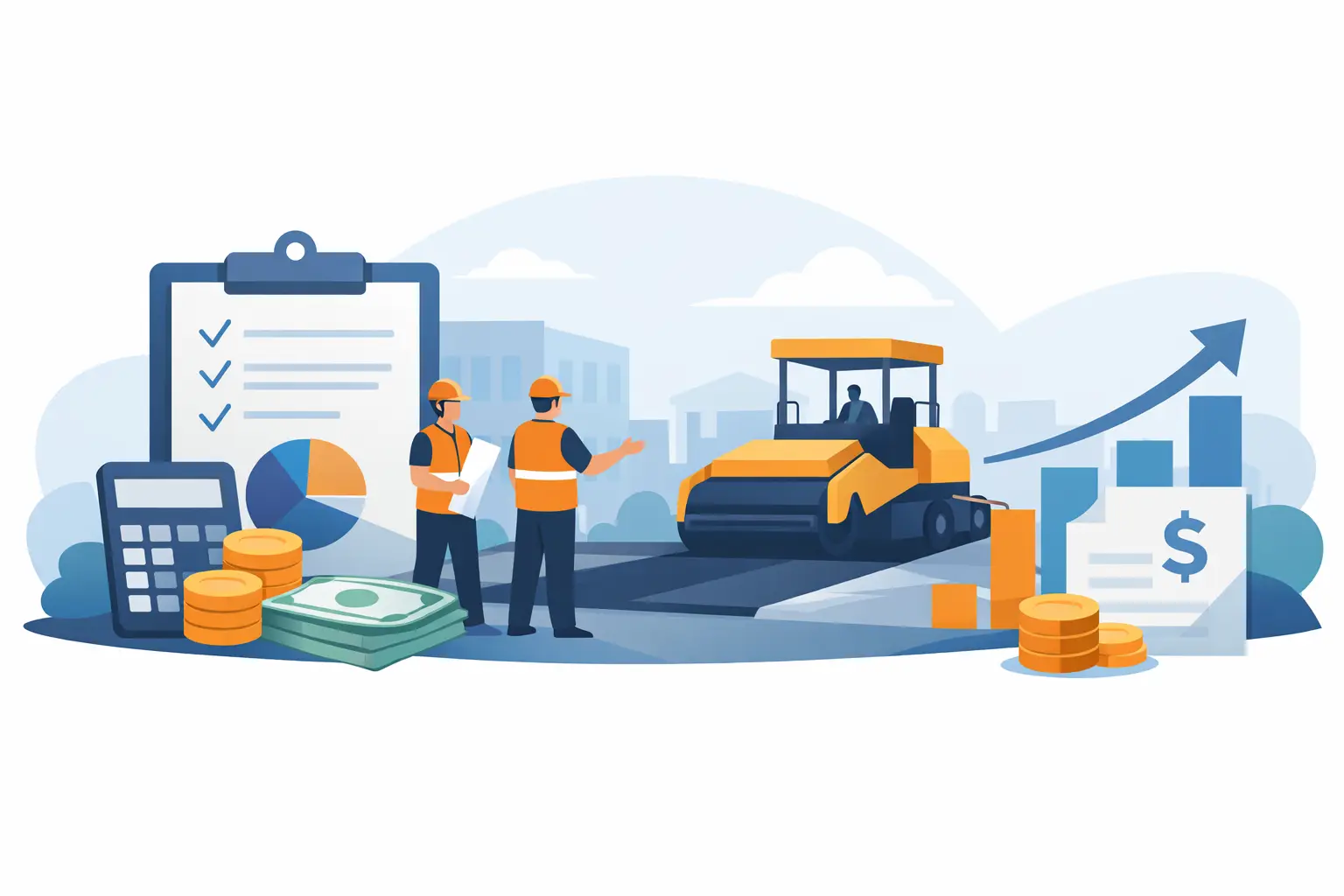
If your crew is ready, your equipment is sitting, and your phone still depends on referrals, you do not have a growth plan. You have a gamble. That is the real problem with marketing para contratistas pavimentación – most contractors are not losing because they do bad work. They are losing because lead flow is inconsistent, follow-up is slow, and sales happen only when the right person happens to call at the right time.
That model breaks the moment referrals slow down, a competitor underbids you, or the season gets tight. Commercial paving is too expensive and too operationally demanding to run on hope. If you want consistent revenue, you need a system that produces qualified opportunities, filters out junk, and gets decision-makers into your pipeline before your competitors even know the job exists.
What marketing para contratistas pavimentación actually means
A lot of contractors hear the word marketing and think logos, yard signs, boosted posts, or a website that looks decent on a phone. None of that is the core issue. In this business, marketing is not about looking busy. It is about creating predictable demand from property managers, HOAs, facility managers, retail centers, industrial properties, and general contractors who actually buy commercial pavement work.
Real marketing para contratistas pavimentación is a sales pipeline engine. It brings the right buyers in, qualifies them, follows up fast, and moves them toward an estimate or site visit without your office becoming a mess. That is the difference between random exposure and booked jobs.
If your current strategy gets you clicks but not conversations, or conversations but not serious buyers, then the problem is not traffic. The problem is targeting, qualification, and follow-up.
Why most paving contractors waste money on marketing
Most agencies do not understand paving. They treat an asphalt contractor like a local dentist, a roofer, or a generic home service company. That is a fast way to burn budget.
Paving has its own realities. Seasonality affects urgency. Crew capacity affects what you can actually sell. Commercial jobs have longer sales cycles, larger ticket sizes, and multiple stakeholders. Many of the best opportunities do not come from homeowners searching for the cheapest patch job. They come from commercial buyers looking for reliability, documentation, responsiveness, and a contractor who can handle scope without creating headaches.
When marketing ignores that, the results are predictable. You get residential tire-kickers. You get bid requests with no budget. You get spam leads, bad fit jobs, and quote requests from people shopping five contractors at once with zero loyalty.
That is not growth. That is distraction.
The channels that matter most for paving contractors
For most paving companies, the highest-value marketing channels are the ones tied directly to buyer intent and commercial targeting. Paid search can work well when someone already knows they need paving, sealcoating, striping, or ADA work. Paid social can work when you are targeting specific business decision-makers before the need becomes urgent. Local SEO matters too, but it should support your pipeline, not carry the whole load.
The right mix depends on your market, your service mix, and whether you want fast-turn opportunities or larger commercial jobs with a longer sales cycle. A contractor focused on sealcoating maintenance may benefit from recurring seasonal campaigns. A company chasing shopping centers, multifamily properties, and industrial sites may need a more targeted outbound and ad strategy built around commercial decision-makers.
It depends on your goals. But one rule stays the same: every channel should lead to a defined sales process. If traffic goes to a weak website, a generic contact form, and no follow-up sequence, you are paying for wasted attention.
Your website is not the finish line
Too many contractors think a better website is the answer. It is not. A website is a tool. If the strategy behind it is weak, the site will not save you.
A paving website should do three things well. It should make it obvious what services you provide, who you serve, and what action the visitor should take next. It should also separate commercial buyers from low-value inquiries as early as possible. If a property manager lands on your page, they should immediately see that you understand large-scale asphalt work, maintenance planning, striping compliance, concrete repairs, and scheduling around active sites.
Generic messaging kills trust. Commercial buyers are not impressed by vague claims about quality and service. They want proof that you know their world. They want to see relevant service pages, strong positioning, fast contact options, and a path to get a call, estimate, or site visit on the calendar.
Lead quality beats lead volume every time
A lot of contractors ask for more leads when what they really need is fewer bad ones. More volume sounds good until your team is buried in junk submissions and your estimator spends half the week chasing people who were never serious.
Good marketing for paving contractors is built around lead quality. That means targeting the right geography, the right property types, and the right buyer roles. It means asking better questions before a lead hits your pipeline. It means creating forms, landing pages, and campaigns that attract commercial work instead of random residential noise.
This is where many contractors get stuck. They think every lead is worth pursuing because pipeline feels scarce. But if your team chases every small, low-margin, poorly matched opportunity, you create your own chaos. Better qualification improves close rate, protects your time, and keeps your sales effort focused on jobs that actually move the business forward.
Follow-up is where revenue gets lost
Here is the part most owners do not want to hear: your marketing may not be the biggest problem. Your follow-up might be.
If a property manager submits a request and waits hours or days for a response, you are already behind. If your office is juggling calls, texts, emails, estimate requests, and field coordination without a system, leads slip through the cracks. Not because the demand was bad, but because the process was loose.
Speed matters. Persistence matters. Structure matters. The best contractors are not just winning because they show up in search results. They are winning because they respond fast, qualify quickly, and keep prospects moving with reminders, appointment booking, and organized communication.
That is why automation matters so much in this industry. Not because it sounds advanced, but because it protects opportunities. Immediate responses, scheduled follow-up, and clear lead tracking give you control over a sales process that usually feels scattered. It works. Period.
Commercial paving requires a different message
If your marketing speaks to everybody, it usually closes nobody worth keeping. Commercial buyers think differently than residential customers. They care about liability, scheduling, tenant impact, compliance, long-term maintenance, and whether your team can execute without creating problems on site.
Your message has to reflect that. A striping and ADA campaign should not sound like a driveway paving ad. A sealcoating offer for property managers should frame maintenance planning and asset protection, not just fresh blacktop. Asphalt replacement messaging should address disruption, access, staging, and project coordination.
That level of specificity is what separates a serious contractor from another company begging for bid requests.
What a real paving marketing system looks like
A real system is not one ad campaign or one SEO package. It is demand generation tied directly to sales execution.
It starts with targeted traffic from the right channels. Then it routes that traffic to service-specific pages built to convert. From there, leads are qualified, responded to immediately, and pushed toward the next step without relying on someone in the office to remember every follow-up.
The strongest setups also make reporting simple. You should know where leads came from, which campaigns produce commercial buyers, how quickly your team responds, how many appointments get booked, and which jobs actually close. If you cannot track that, you are guessing.
That is why specialized firms like PaveLeads stand out. They are not trying to be everything to everyone. They build full lead generation and follow-up systems specifically for paving contractors who want booked commercial work, not vanity metrics.
Stop asking if marketing works
The better question is whether your current process is built to produce revenue. Marketing works when targeting is tight, the message is right, the lead path is clear, and follow-up is fast. It fails when contractors buy random tactics and expect them to fix a broken pipeline.
You do not need more guesswork. You need control. The contractor who builds a repeatable lead system has a major advantage over the one waiting for word-of-mouth to save the month.
If you want bigger jobs, better buyers, and a schedule your crews can count on, treat marketing like an operating system, not a side project. That is when the business starts to move.